In 2024, I got invited by the agency behind the event to be a media partner. I told them I had planned to go anyway and had already bought my ticket but didn’t have a place to stay, so I asked them if they had an idea where I could sleep. They just replied they couldn’t help me with this. I thought that was a bit of weird way to invite people but I went there, had a great time, met new people, almost reconnected with old friends, skated a bunch and slept in some city apartment where VIP’s had spare beds… So in 2025 I decided not to go again. For the third edition, I offered Zurich’s Alan Maag the opportunity to be my local reporter without having any idea of what he would send me. I love surprises. – David Turakiewciz


Text and photos by Alan Maag
„THAT MAIN CHALLENGE FOR US SELF-PROCLAIMED GUARDIANS OF THE STREETS IS TO ACTUALLY BRING ACCROSS OUR BELIEFS“
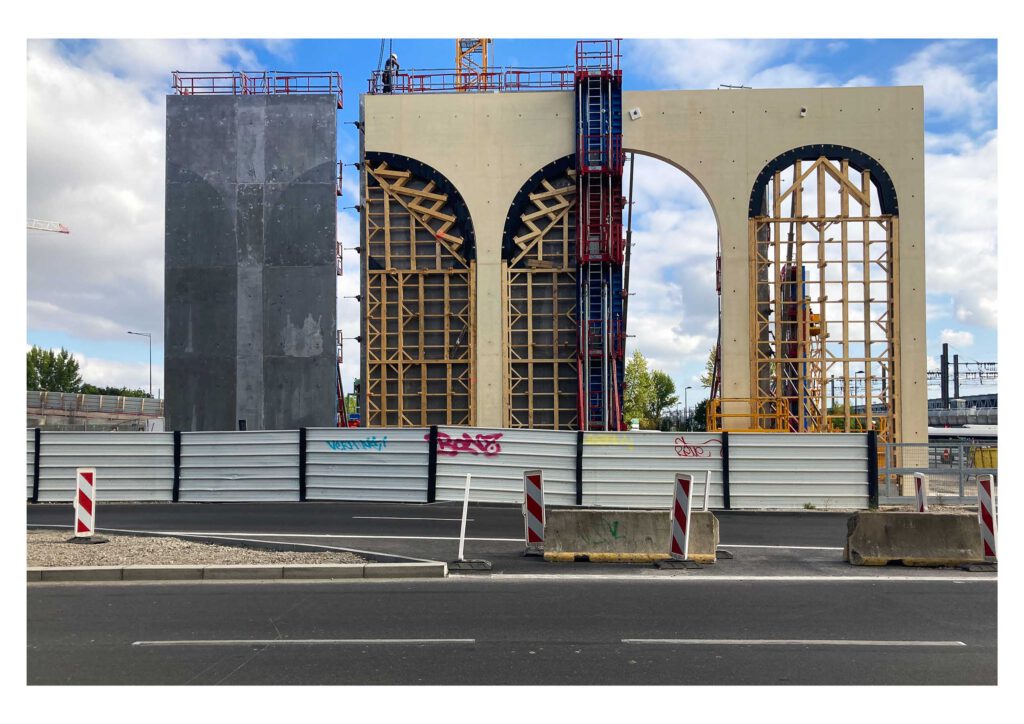
Don’t ask me about what happened on Sunday at Connect. Cause It’s 9:50 and I’m already in the train back home. Admiring the metal structure of the Gare St Jean got me thinking about how often I had heard how we skaters think differently compared to the ‚others‘, or the muggles, as my British friends like to call them. It led me to take my last picture in Bordeaux and to the thought behind the second most repeated statement I had heard along the presentations and talks of this festival of skate urbanism; that a main challenge for us self-proclaimed guardians of the streets is to actually bring across our beliefs, not only to the stakeholders who we need to address in order to achieve our ideal use of public space, but also to an audience we might be forgetting at times: the kids. We all lived ‚it‘, but what about the skate rats in the hegemonic skate park structure we criticise and fear? They are the future who we hope might pick up the grail, no?
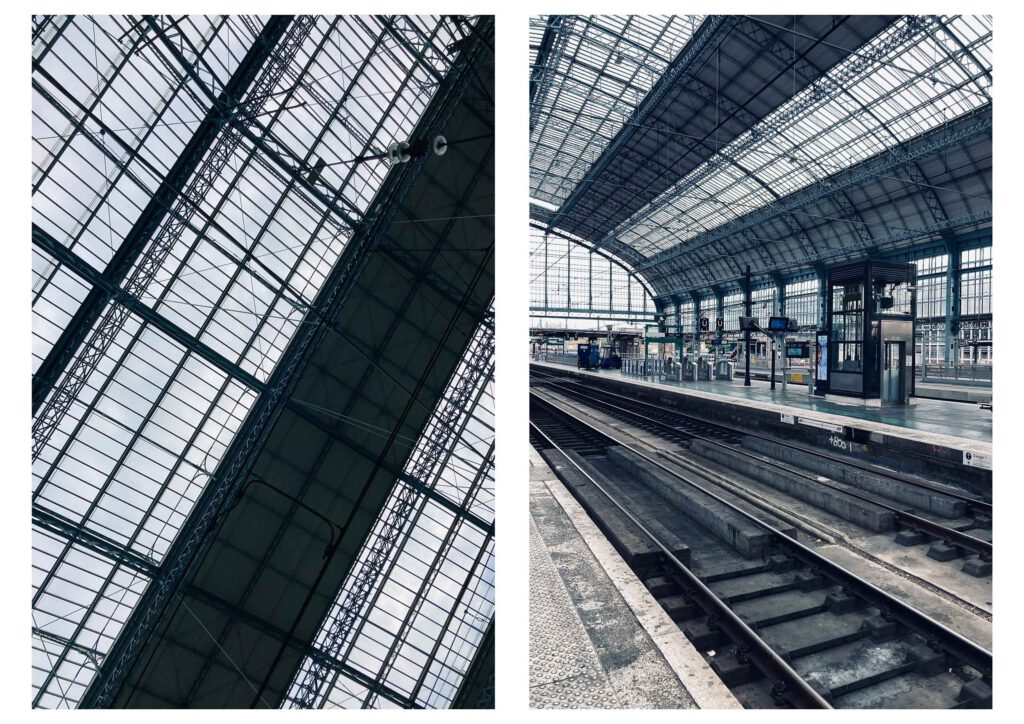
To the latter I have no answer, but I believe it’s a valid question. To how we observe differently, I just have the realisation that I did not really document the event as I thought I would. I delivered the stickers, then followed the talks attentively and made many notes, but, as a good skater, paid more attention to the details which distracted me in this magnificent city. Now I wonder if a bit of subversion by not showing any real pictures of the event is enough to attract bystanders to our world —if they actually get to see any of this… Well, here’s a random, but chronological collection of thoughts, probably interesting mainly to those who’ve been there.
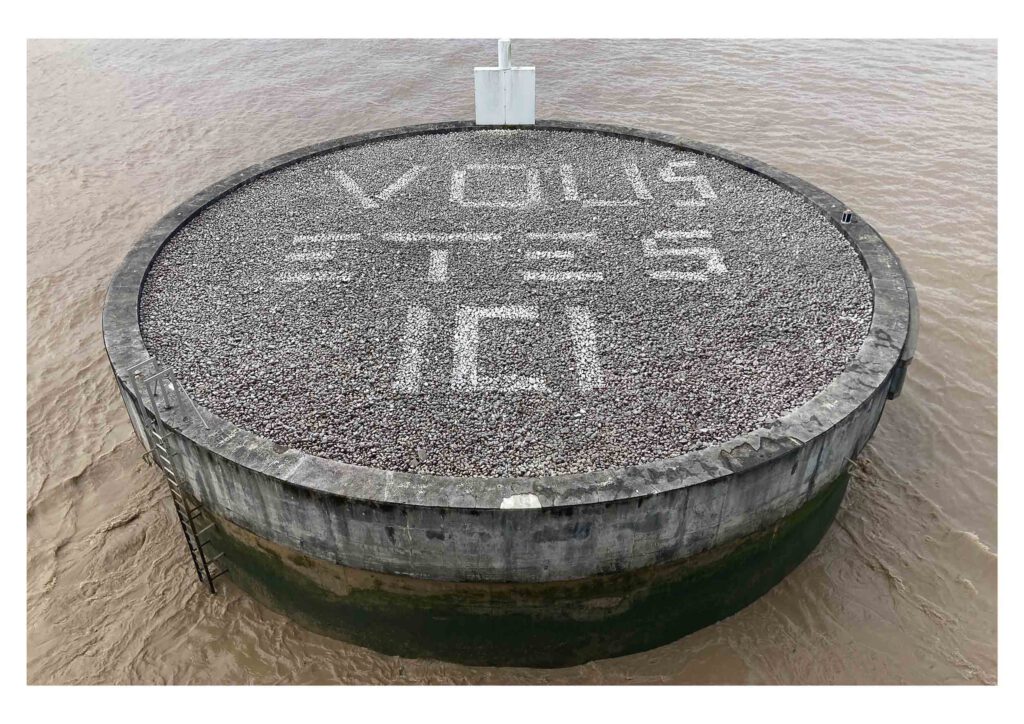
Something which stands out at Connect is the very respectful behaviour towards each other and the interest to interact proactively. The dialogue between different interest groups of the city is central to Leo’s approach and this seems to reflect in the event communication. The thought that a competence of conflict management skateboarders can develop and other street wisdom could play a vital role in how skate events are organised… That seems worth an extra thought or two somebody could bring back next year to present at the academic exchange, no?
„IT CERTAINLY HELPS TO KNOW THE ADMINISTRATIVE TONE, TO TALK THE BUREAUCRAT’S TALK“
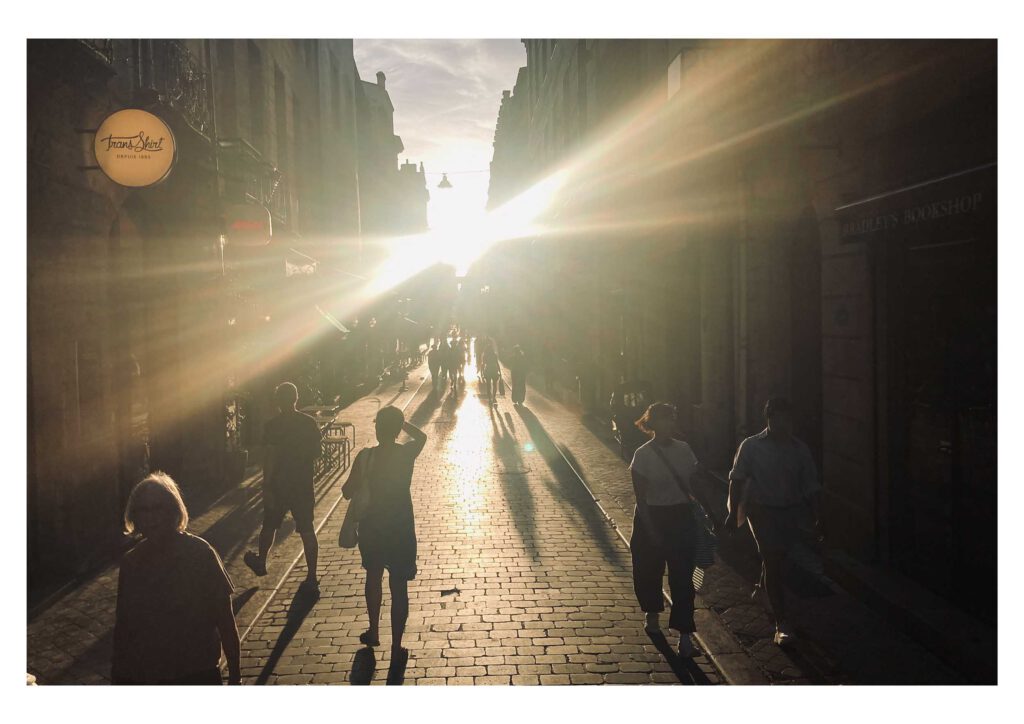
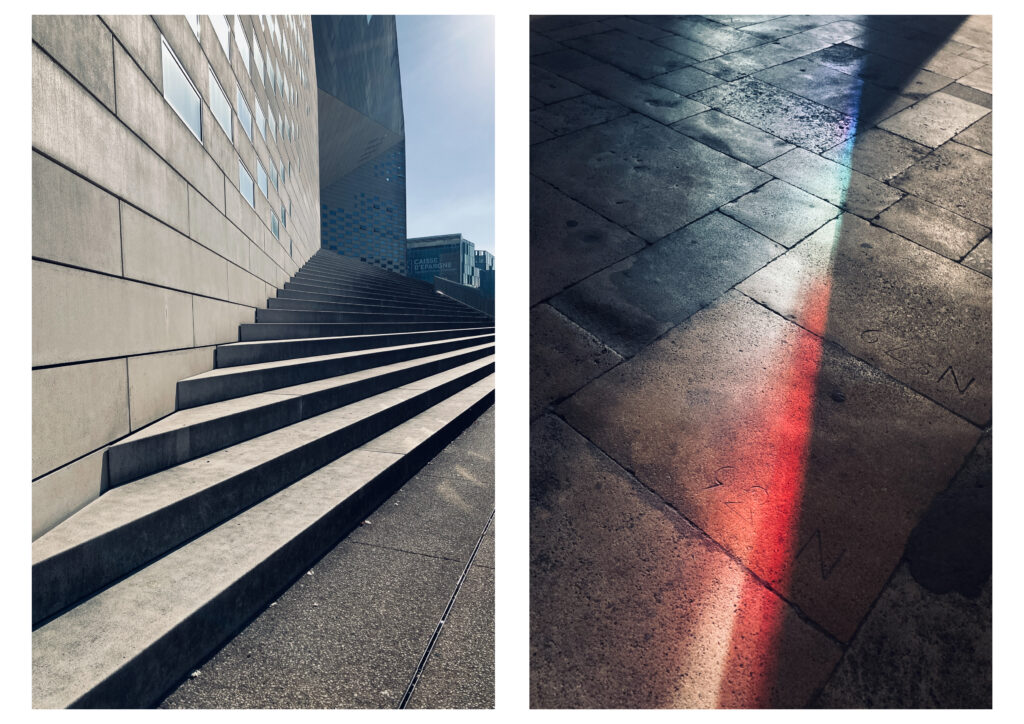
Eating shawarma with John and Gustav on Saturday evening, also the Swedes pointed out how lively this French city is and how used the public is to share its space. The contrast to Zurich apparent, I felt it. Apparently the more North you move, the distance of personal space increases. Here the squares are bustling with life and people sit elbow to elbow to each other, not minding others‘ business. Maybe just this way of life made it easier for the Bordeaux locals to bring across their understanding of skate urbanism? Actually having an understanding on how to share public space must lower the boundaries. It certainly helps to know the administrative tone, to talk the bureaucrats‘ talk. But how difficult must it be if skateboarding challenges the understanding of an inherited culture which does not appreciate such dynamic commotion in public space. Maybe Hiro can give you some answers in Japan, where CONNECT TOKYO will take place in November 2027.
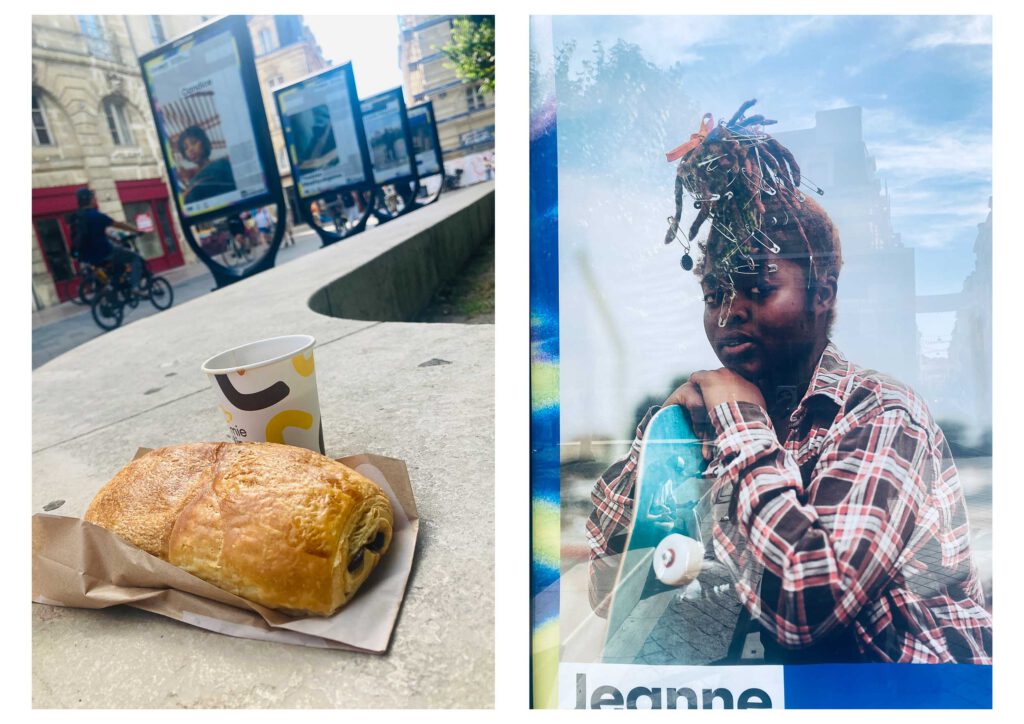
That is not an Espresso. That is a medium cup of coffee. So do you see the size of that pastry? Nevermind, the background is more important. Because even if you were at Connect, it’s possible that you also haven’t noticed the work of Karabo Mooki. Not that it was hidden, on the contrary, it was positioned prominently at a very central spot in the city center, but it was just far off the festival area. I stumbled over it first thing on Thursday morning and was intrigued by the portrait series of female South African skaters by Karabo Mooki. I only realise now, in the train, that I wish I had discovered more about this work in a presentation at the main festival site. As of what I heard of South Africa, being a female skater must be tough as fuck.
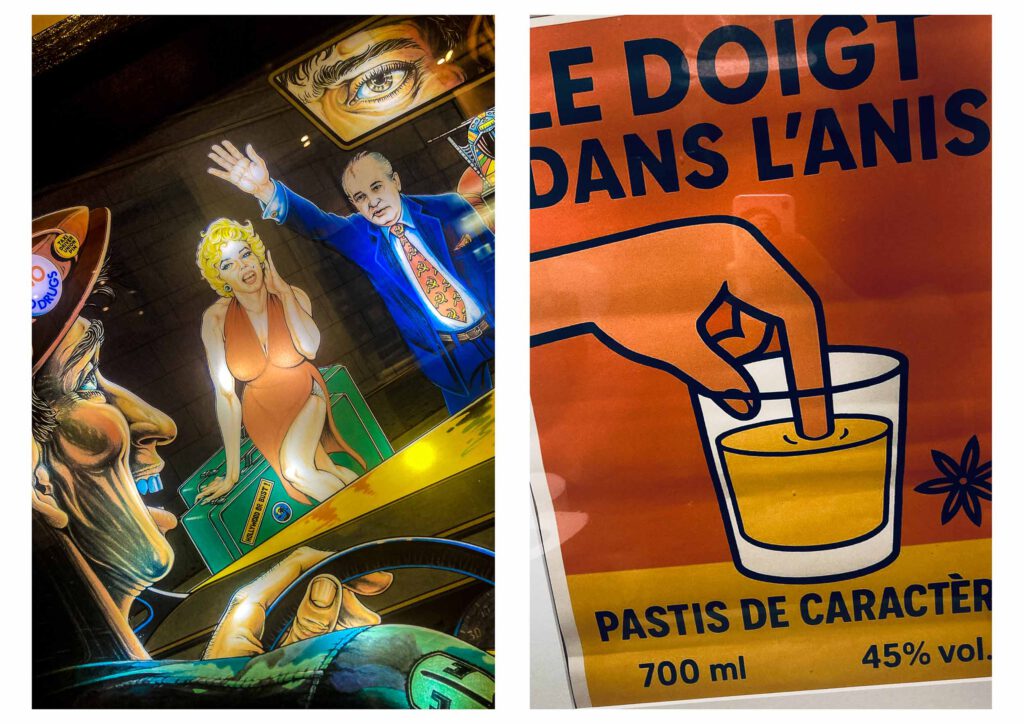
My personal challenge was filtering all the input on Thursday. There are so many good people putting their finger onto (or into?) something, that it’s hard to keep up the notes while listening. Way too much to mention. So just a few thoughts to —maybe— trigger your interest. Including paintings, poetry and the senses; in cities where planners have resources to actually consider the eventisation of public space, don’t you think you’re actually becoming a muppet on the global catwalk by skating your new local skatepark? Did you know that the blueprint for Paral.lel was actually based on a metaphysical painting by Giorgio de Chirico? From an (auto-)ethnographical point of view, what relevance has the tactile experience of surfaces, and how could it be archived in a non-text-based structure? When hegemonies fail to force you into designated skateparks, might seduction work to lure you to the cool plaza with the cool kids, and what will street skating lose thereby? When an intentional misunderstanding of the purpose of architecture is described as poetic, what subversive examples of literature could be used as an analogy?
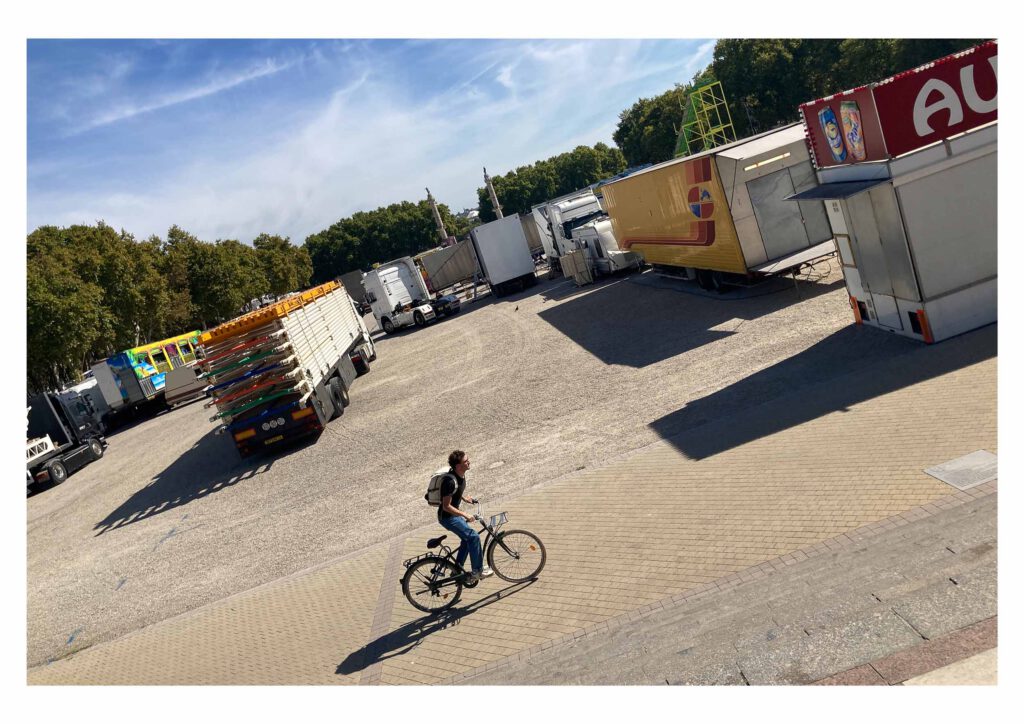
„CANCEL CULTURE IN SKATEBOARDING REMINDS US OF THE GREEK TRAGEDIES“
Another mystery to me is why I have not taken advantage of the amazing food and hospitality this city has to offer during my first two visits. Following Julian’s suggestion we ordered a beef tartar and dive into a conversation with Sarah, Samu, Stefan and John. Besides the food, a great advantage of Connect is that you get to engage with similar compulsive skerds. Just with the difference that topics like the cinematographic genius of Spike Jonze or how the transparency of cancel culture in skateboarding reminds us of the Greek tragedies have replaced the debate on the validity of ride-ons. Or not.
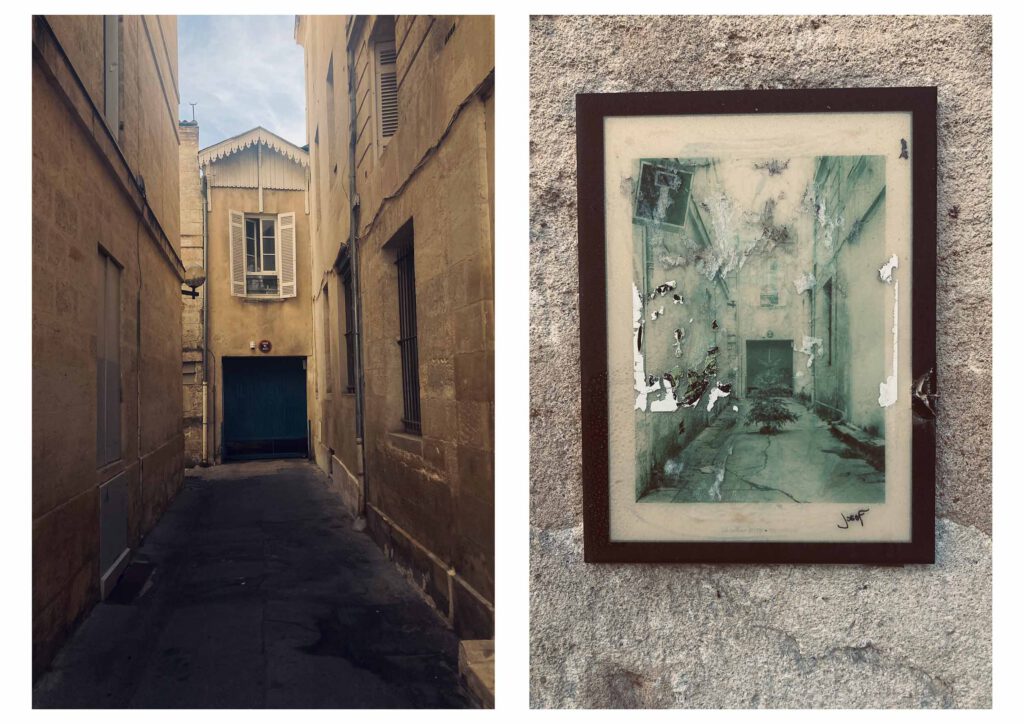
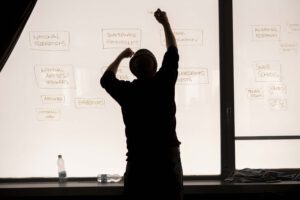
Now, as an event organiser myself I take a particular interest in how the dynamics of a venue work. The combination of public talks, a market, workshops, movie premieres and DJ sets worked really well. To include the topic of skate urbanism in a commercial entertainment setting could be criticised as eventisation of the culture, but I think it’s the actual bend you have to accept in order to bring the conversation from the nerd corner onto the table of a city planner. Numbers baby, numbers… KPI KPI KPI… Moving the festival ground from the centre to the not so classy, but the better-suited-for-a-party-audience Square Dom Bedos was a smart move. To get a broader range of skaters in contact with the theories behind skate urbanism is not that easy… And as an intriguing extra; I don’t know how far it was part of a greater plan, but it seemed like the locals were using the distraction of the event to grind down and wax the shit out of the OG Malraux Spot. That’s worth the spectacle.
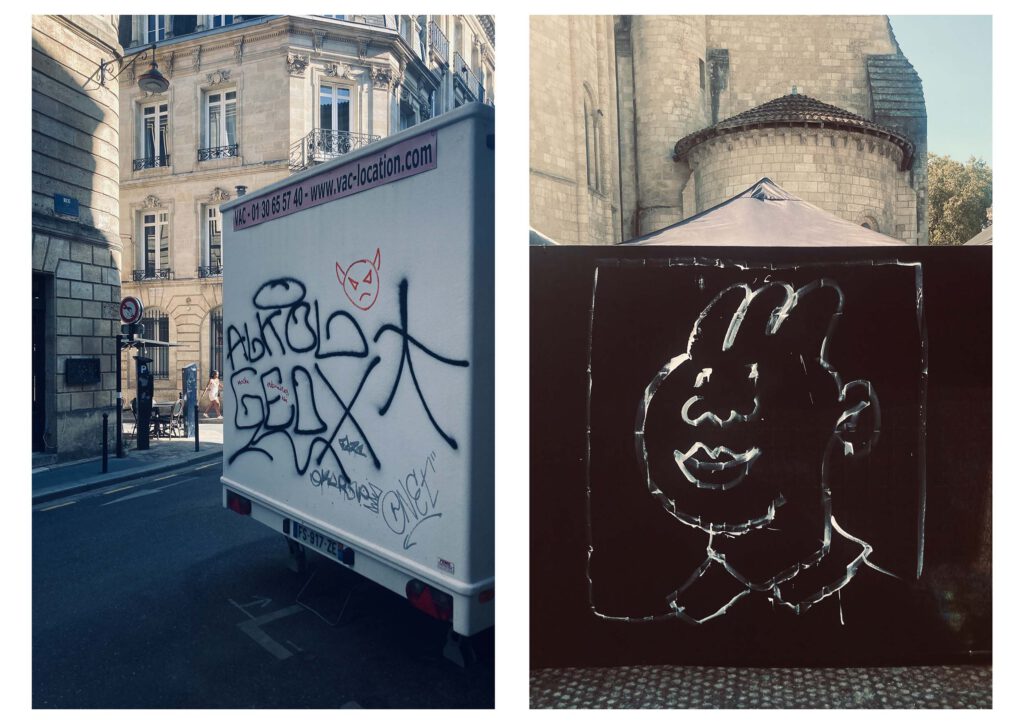
If I were to criticise one thing it would be the curation and display of artworks. The content mainly consisted of skateboard images, a very repetitive form of photography and was hung on the side of a tent. Looking at the stories told in the presentations and talks I came across at least half a dozen amazing visual projects which could easily break the conservative approach which I believe is one of the reasons skateboard media is in a crisis. Not that the quality of the images was low, I just think there’s more to show. As an example, the Tintinesque graffiti on the picture gave such a sharp contrast to what was on display, as it seemed to have been made illegally —properly improvising found infrastructure and appropriating public space. There was no description of authorship and was even moved within the event space by somebody overnight. On purpose or not, it illustrated how the unintentional use of public space becomes artistic by an abstract and unintended interpretation.
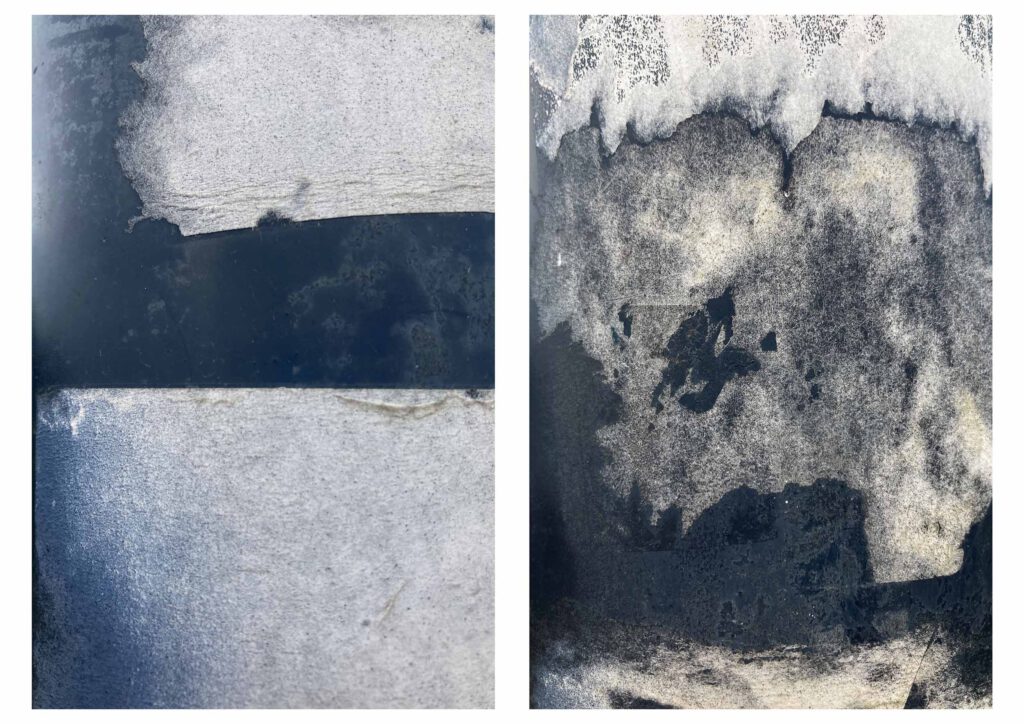
„LIKE WARM GRANITE SURFACE ON YOUR WET ASS“
Now at the end of my way back —I’m between Strasbourg and Basel in a Bummler with that wonderful suspicious bubbly 70’s train furniture design— I just regret that I didn’t stay longer for the Sants Forever talk. Raisa knows exactly what she’s doing and introduced me to Lozano and Gerardo first thing after she saw me on Saturday morning. It was sort of a catharsis talking to Barça locals about their endeavour with the city. Between my work in luxurious Laax and the experience from people trying to make the world better in Indian villages it felt comforting to talk with locals from a street-heavy origin such as Sants (no pun intended). Also Gerardo’s critical remarks during the academic workshop on Thursday, like the admonishing finger that reminds us to not forget to be critical towards institutions in all we do, felt more familiar. It reminded me of thoughts I used to have more present; Like the suspicion towards hegemonic structures. Or maybe just some streetwise bullshit you have to experience to understand. Like warm granite surface on your wet ass*.
* …shit Tura, sorry, I have to make this longer, as that remark to warm granite on a teenage bottom reminded me, not of cancel culture, or at least not initially, but because it reminded me of a thought I had talking with John and Gustav at that Shawarma place. It occurred to me that Hiro’s claim that young people in Japan do not share public space in a similar communal manner that skaters do might not be entirely true. I remembered an experience I had written down a few years ago in relation to traces. Sweaty bum marks on floors were something that had left a mark, but god damn, that’s one more good topic for a fashion design workshop! The memory actually resurfacing was possibly pushing through Shibuya and Shinjuku, during Typhoon season in hot Tokyo after sunset. Blurry colors. Longtime exposures. Big City lights… And on a number of occasions I clearly remember women, or actually girls sitting on the ground in a circle around one of the countless cat statues found around the country. They were having tea, as if the cat was part of the crew. Apparently these cat figures are appreciated as a sign of belonging in an anonymous and uncomfortable environment. So those kids reinterpret a piece of city floor as a temporary home (a heterotopia?), as a place of belonging outside of home, appropriated and deliberately reinterpreted. And that, that feels really familiar.
Thoughts borrowed from/people mentioned in text above : Bertrand Trichet, Leo Valls, John Dahlquist, Gustav Eden, Takahiro Yamazaki, Karabo Mooki, Danielle Chevalier, Simon Dirckx, Igor Betlejewski, Wagner Rezende, Kai Kagitani, Julian Dykmans, Sara Parson-Texas, Samu Karvonen, Stefan Schwinghammer, Chandon Gallagher, Bella Warley, Raisa Abal, Marcos Lozano and Gerard San Miguel.